
Aluminum printed board
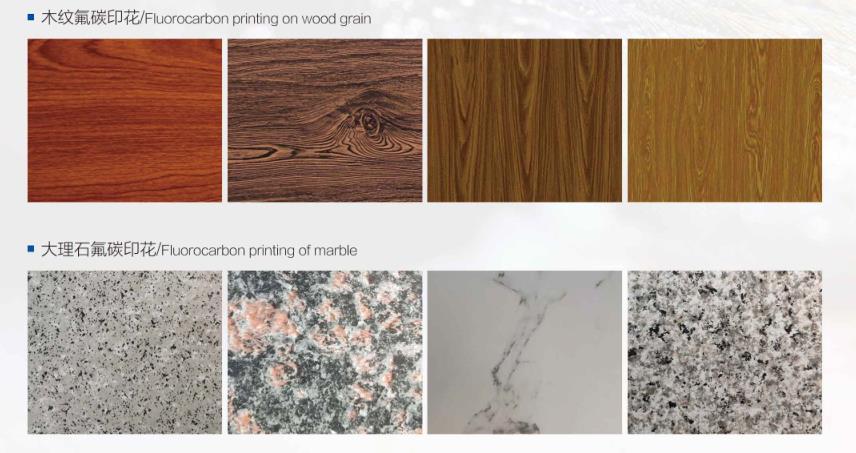
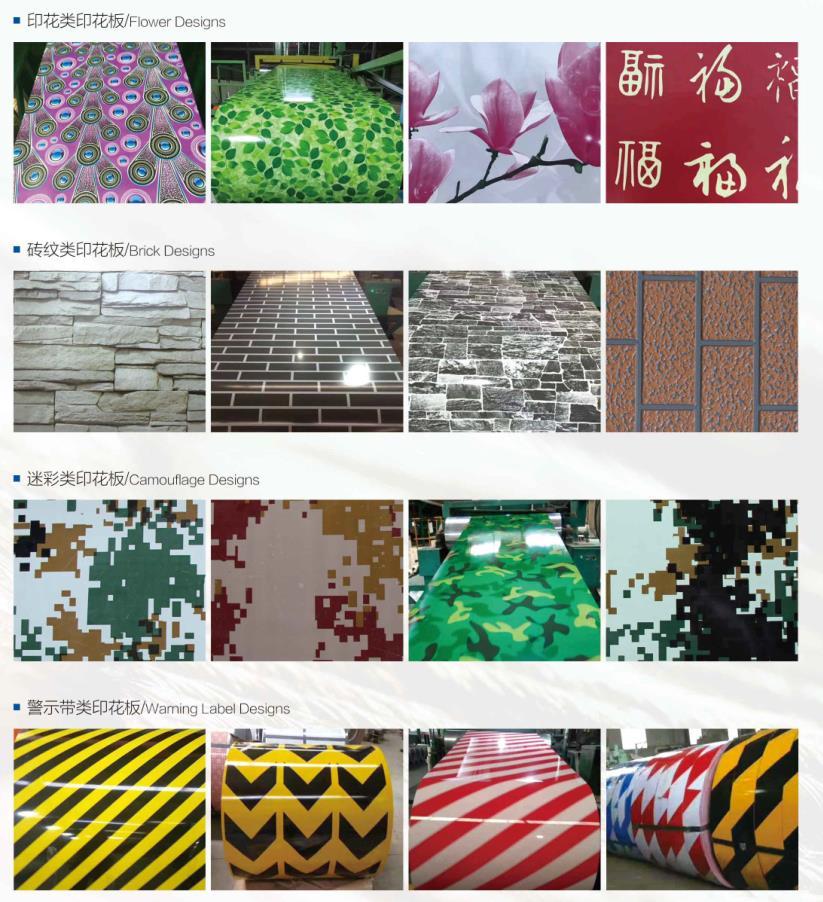
High weather resistance, high corrosion resistance, high stamping performance, and high natural color coated panels produced using a special roller coating process can be further processed by mechanical equipment. They can be punched, bent, curled, rolled, and bonded or riveted, resulting in ideal structural profiles and composite panels with strong applicability and decorative qualities. It overcomes the disadvantages of film lamination and transfer printed panels, which are prone to discoloration, aging, delamination, and poor shaping, while offering advantages such as time-saving, labor-saving, low manufacturing costs, resistance to fading, aging, fire, and rain.
Detailed introduction
Aluminum printing
High weather resistance, high corrosion resistance, high stamping performance, and high natural color coated panels produced using a special roller coating process. They can be further processed by mechanical equipment, allowing for punching, bending, curling, calendering, and bonding or riveting. After processing, they can be made into ideal structural profiles and composite panels, offering strong applicability and decorative qualities. It overcomes the disadvantages of film lamination and transfer printed panels, which are prone to discoloration, aging, delamination, and poor shaping. It features low manufacturing costs, time-saving, labor-saving, low fading, aging resistance, fire resistance, and rain resistance.
Aluminum printing
The printed panels use world-leading production technology. The production line employs advanced equipment such as a fully automated ABB electric control system, using cold-rolled coils or hot-dip galvanized materials as raw materials. It can produce high-quality color-coated printed panels with a thickness of 0.11mm to 1.0mm and a width of 600mm to 1250mm, with a designed annual output of 100,000 tons.
Contact Information
Add: Hubin Town Industrial Park, Boxing County, Binzhou, Shandong, China


Please send us your business requirements, and we have a professional service team to answer them for you!