PRODUCTS

Aluminum-Magnesium-Manganese Roofing System
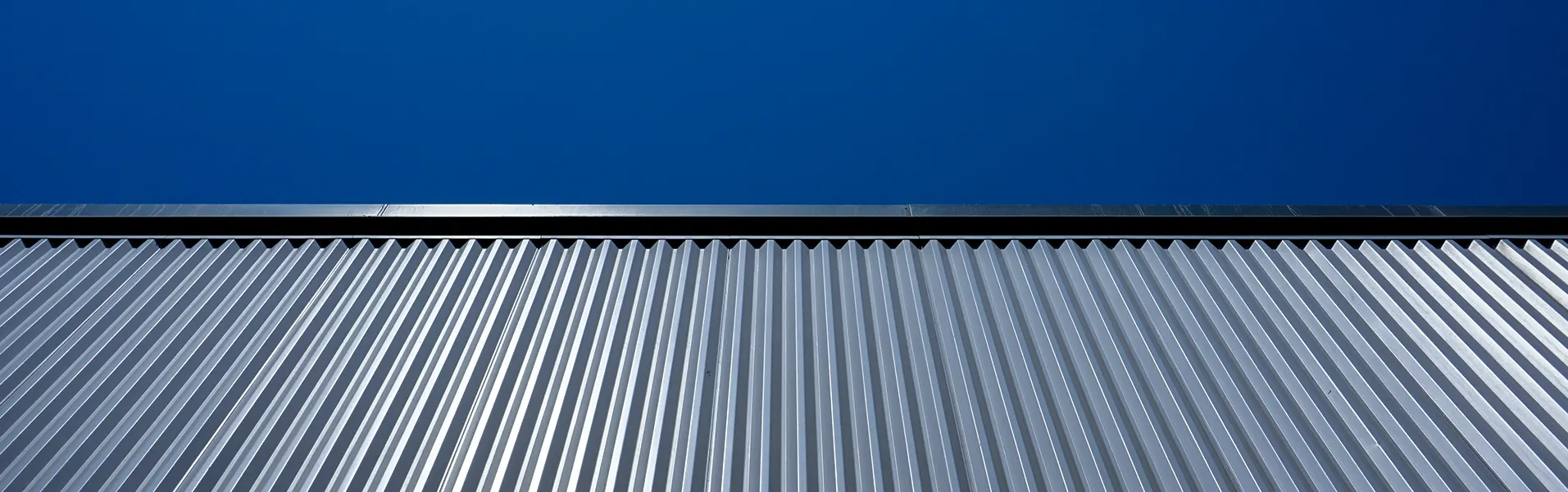
The aluminum-magnesium-manganese roofing system, as a type of metal roof, is primarily composed of special metal roofing panels designed with a vertical seam and vertical lock design. This design is mainly aimed at large-span self-supporting installation systems. There are no visible perforations on the metal roof, as the support method of this aluminum-magnesium-manganese roofing system is hidden beneath the panels.
Aluminum Magnesium Manganese Plate
Aluminum-magnesium-manganese panels are a highly cost-effective roofing and exterior wall material. Aluminum alloys are widely used in the construction industry, playing an important role in the development of modern buildings towards comfort, lightweight, durability, economy, and environmental protection. AA3004 aluminum-magnesium-manganese alloy is widely recognized as a roofing and exterior wall material with a service life of over 50 years in architectural design due to its moderate structural strength, weather resistance, resistance to collapse, and ease of bending and welding processing; for marine climate architectural design, 5052 marine-grade aluminum alloy materials with stronger corrosion resistance can be selected.
Aluminum Magnesium Manganese Steel Sheet
The aluminum-magnesium-manganese roofing system, as a type of metal roof, is primarily composed of special metal roofing panels designed with a vertical seam and vertical lock design. This design is mainly aimed at large-span self-supporting installation systems. There are no visible perforations on the metal roof, as the support method of this aluminum-magnesium-manganese roofing system is hidden beneath the panels.
Aluminum Magnesium Manganese Steel Sheet
The aluminum-magnesium-manganese roofing system, as a type of metal roof, is primarily composed of special metal roofing panels designed with a vertical seam and vertical lock design. This design is mainly aimed at large-span self-supporting installation systems. There are no visible perforations on the metal roof, as the support method of this aluminum-magnesium-manganese roofing system is hidden beneath the panels.
Aluminum Magnesium Manganese Steel Sheet
The aluminum-magnesium-manganese roofing system, as a type of metal roof, is primarily composed of special metal roofing panels designed with a vertical seam and vertical lock design. This design is mainly aimed at large-span self-supporting installation systems. There are no visible perforations on the metal roof, as the support method of this aluminum-magnesium-manganese roofing system is hidden beneath the panels.
Stainless Steel Printing and Color Coating
In addition to the traditional corrosion resistance, polishing performance, and heat resistance of stainless steel, printed stainless steel also possesses aesthetic qualities that traditional stainless steel lacks. Printed stainless steel is a decorative material, featuring a colored layer that does not fade over time and exhibits color tone changes depending on the angle of light.
Stainless steel printing and color coating
In addition to the traditional corrosion resistance, polishing performance, and heat resistance of stainless steel, printed stainless steel also possesses aesthetic qualities that traditional stainless steel lacks. Printed stainless steel is a decorative material, featuring a colored layer that does not fade over time and exhibits color tone changes depending on the angle of light.
Stainless steel printing and color coating
In addition to the traditional corrosion resistance, polishing performance, and heat resistance of stainless steel, printed stainless steel also possesses aesthetic qualities that traditional stainless steel lacks. Printed stainless steel is a decorative material, featuring a colored layer that does not fade over time and exhibits color tone changes depending on the angle of light.
High weather resistance, high corrosion resistance, high stamping performance, and high natural color coated panels produced using a special roller coating process can be further processed by mechanical equipment. They can be punched, bent, curled, rolled, and bonded or riveted, resulting in ideal structural profiles and composite panels with strong applicability and decorative qualities. It overcomes the disadvantages of film lamination and transfer printed panels, which are prone to discoloration, aging, delamination, and poor shaping. It features time-saving, labor-saving, low manufacturing costs, resistance to fading, aging, fire, and rain.
High weather resistance, high corrosion resistance, high stamping performance, and high natural color coated panels produced using a special roller coating process can be further processed by mechanical equipment. They can be punched, bent, curled, rolled, and bonded or riveted, resulting in ideal structural profiles and composite panels with strong applicability and decorative qualities. It overcomes the disadvantages of film lamination and transfer printed panels, which are prone to discoloration, aging, delamination, and poor shaping. It features time-saving, labor-saving, low manufacturing costs, resistance to fading, aging, fire, and rain.
High weather resistance, high corrosion resistance, high stamping performance, and high natural color coated panels produced using a special roller coating process can be further processed by mechanical equipment. They can be punched, bent, curled, rolled, and bonded or riveted, resulting in ideal structural profiles and composite panels with strong applicability and decorative qualities. It overcomes the disadvantages of film lamination and transfer printed panels, which are prone to discoloration, aging, delamination, and poor shaping. It features time-saving, labor-saving, low manufacturing costs, resistance to fading, aging, fire, and rain.
High weather resistance, high corrosion resistance, high stamping performance, and high natural color coated panels produced using a special roller coating process can be further processed by mechanical equipment. They can be punched, bent, curled, rolled, and bonded or riveted, resulting in ideal structural profiles and composite panels with strong applicability and decorative qualities. It overcomes the disadvantages of film lamination and transfer printed panels, which are prone to discoloration, aging, delamination, and poor shaping, while offering advantages such as time-saving, labor-saving, low manufacturing costs, resistance to fading, aging, fire, and rain.
Contact Information
Add: Hubin Town Industrial Park, Boxing County, Binzhou, Shandong, China


Please send us your business requirements, and we have a professional service team to answer them for you!